
Public air mobility infrastructure a community can run
Access as public infrastructure
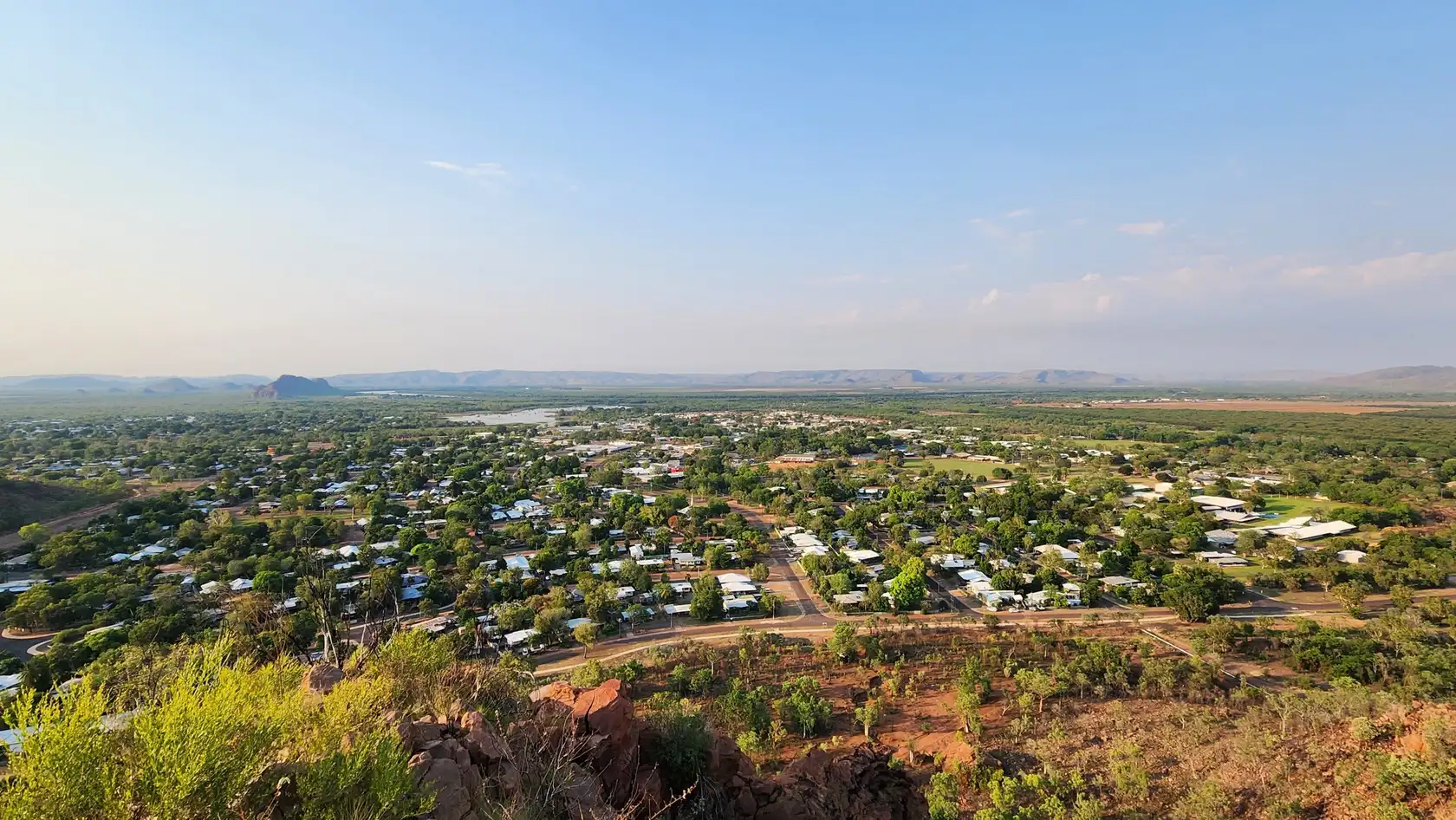
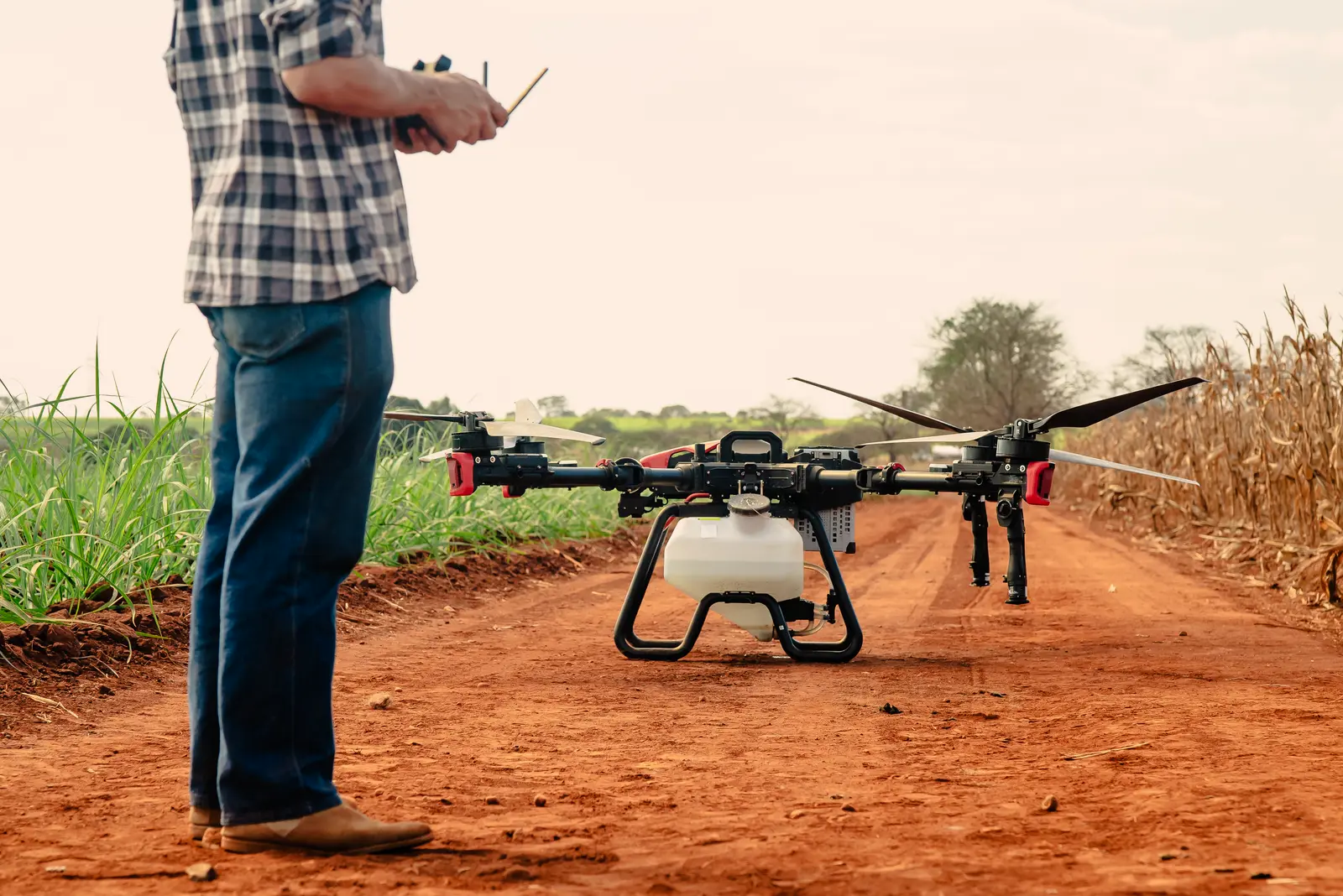
Aureum helps towns and counties plan sites for medical delivery, cargo, and passenger routes. A project can start with a single droneport and expand to permanent sites as demand grows.
Why it matters
$115B / 280k jobs
A national advanced air mobility study estimated the U.S. sector could reach 115 billion dollars in annual revenue and support more than 280,000 jobs by 2035. Aerospace Industries Association & Deloitte
11,000 jobs / $8B
Utah's Department of Transportation projects advanced air mobility will create over 11,000 new jobs in the state, generate more than 8 billion dollars in new business activity, and produce 1.8 billion dollars in tax revenue by 2045. Utah DOT, Moving Utah study
Where it goes to work
Medical, cargo, and passenger routes
Landing and charging sites for services connecting a community with hospitals, businesses, and regional centers.
Plan for ongoing service
Permanent sites designed to support aircraft operators and services beyond an initial pilot program.
Site planning and approvals
Aureum handles energy, software, operations, and regulatory work.
FAQ
What does Aureum provide a municipality or region?
Landing sites, charging, and site operations infrastructure. Aureum handles hardware, energy, software, and regulatory work for a single site or a regional network.
Can a small town or rural region host advanced air mobility?
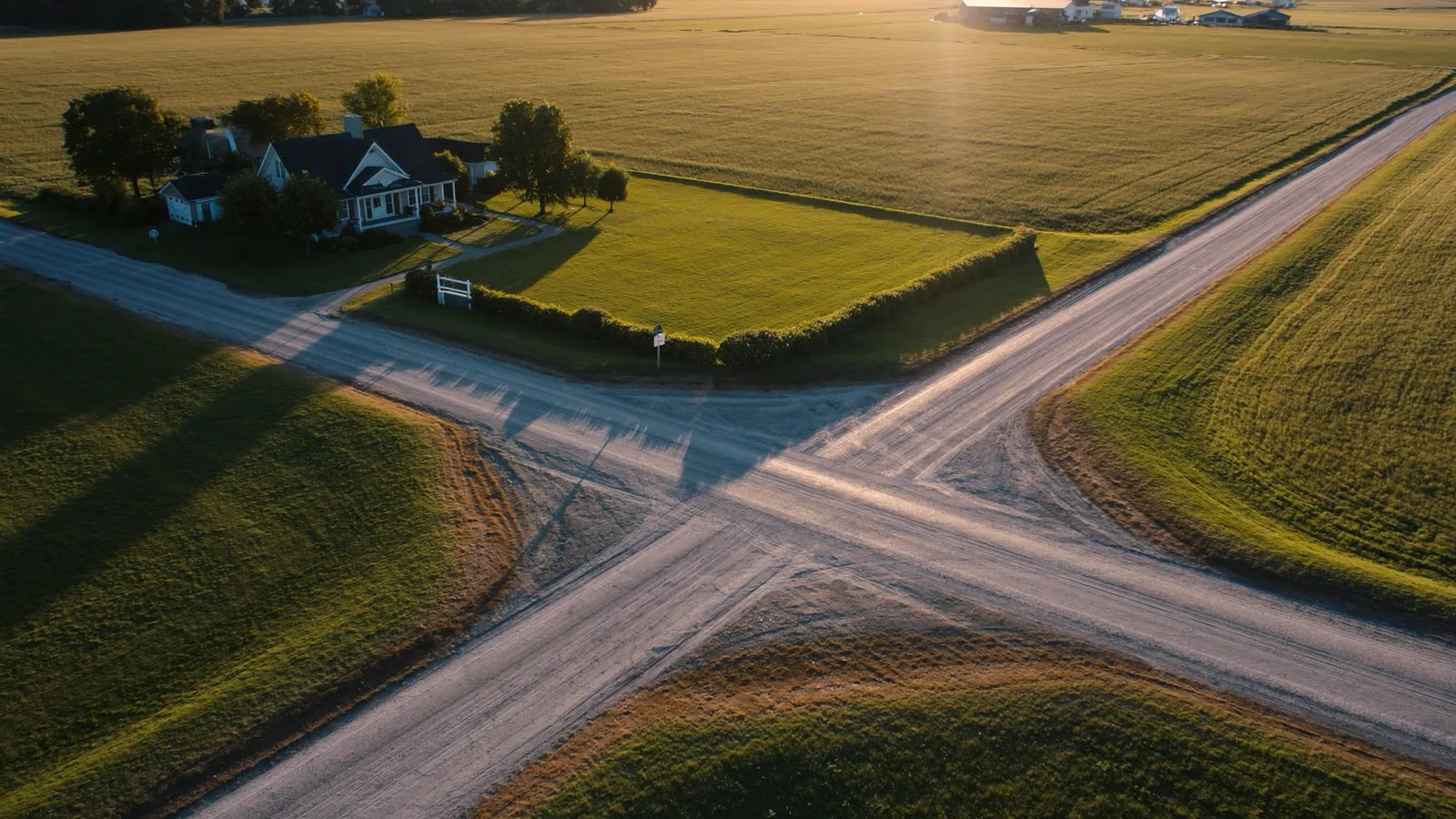
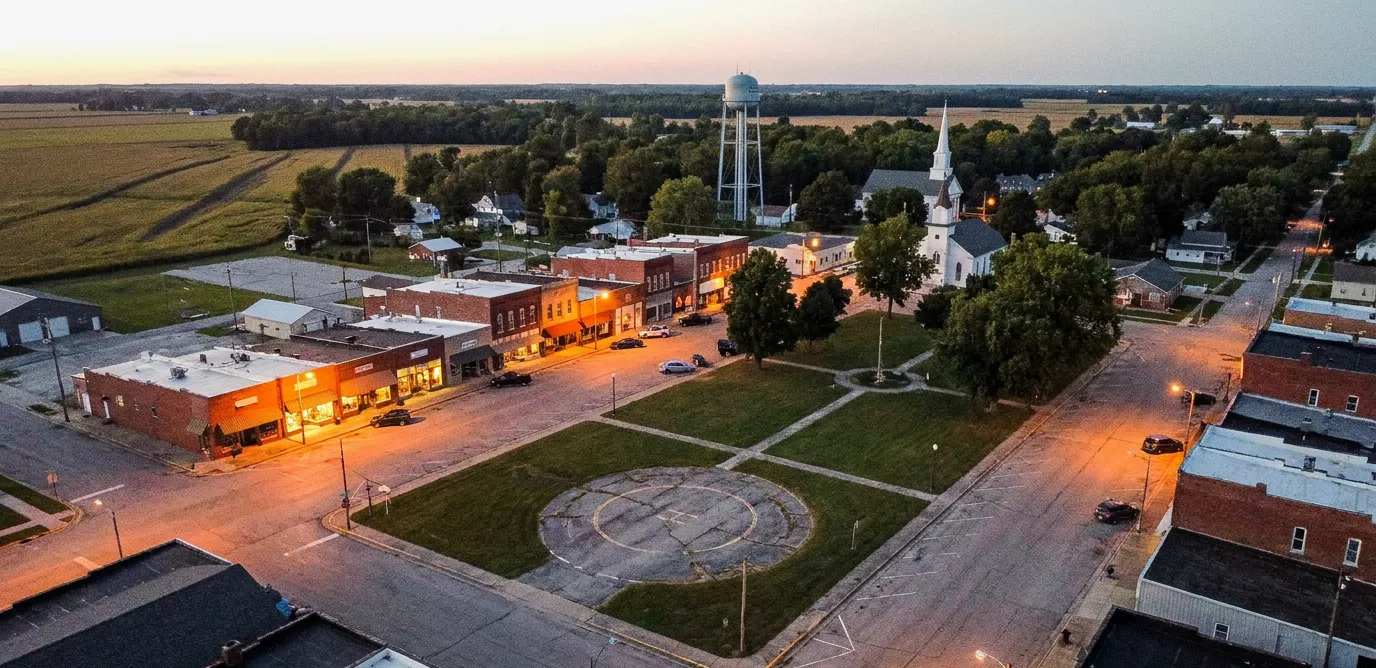
Yes. Aureum scopes a single site or a regional network. The droneport requires no existing airport or vertiport, and permanent sites can follow where demand supports them.
Why does advanced air mobility matter for rural regions?
Air routes can shorten trips for medical supplies and emergency response, and carry small packages between towns and regional centers. The case for each route depends on local demand and operating conditions.